

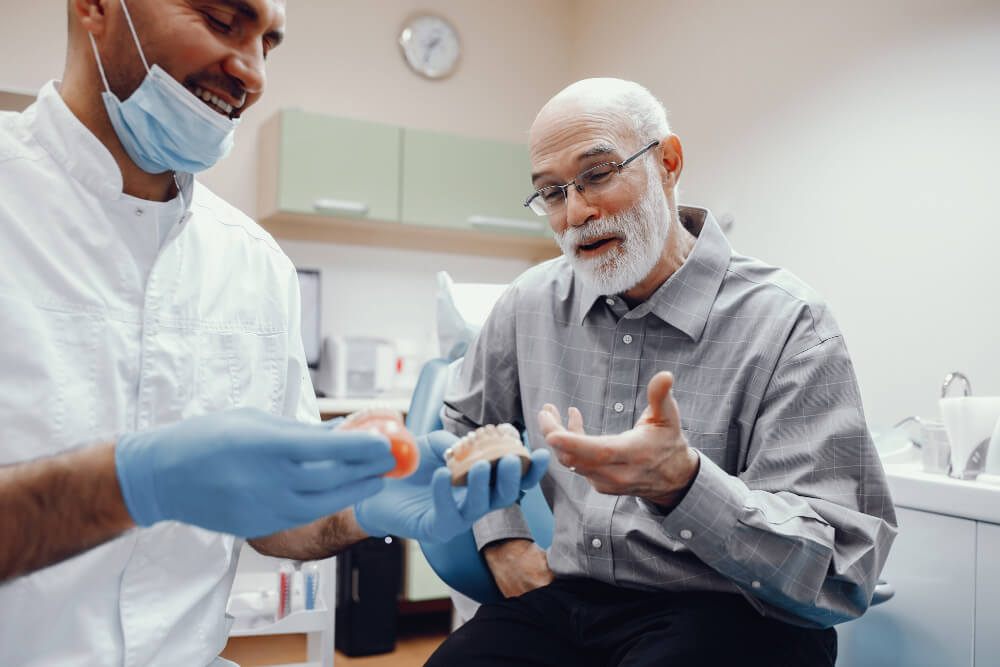
Tooth loss becomes more common with age. For Australians over 60, it can make foods harder to chew, affect speech and contribute to bone loss in the jaw. Dentures help many people, but some find them loose or uncomfortable. Dental implants offer another option. Fixed into the jaw, they can support replacement teeth and provide a stable bite.
Am I Too Old for Receiving Dental Implants?
No. Age is not the deciding factor. Your dentist will assess your health, gums and available bone, then tailor the dental implants Sydney treatment to suit. They may also review your medicines, speak with your GP or specialist if needed, and discuss grafting where bone is limited.
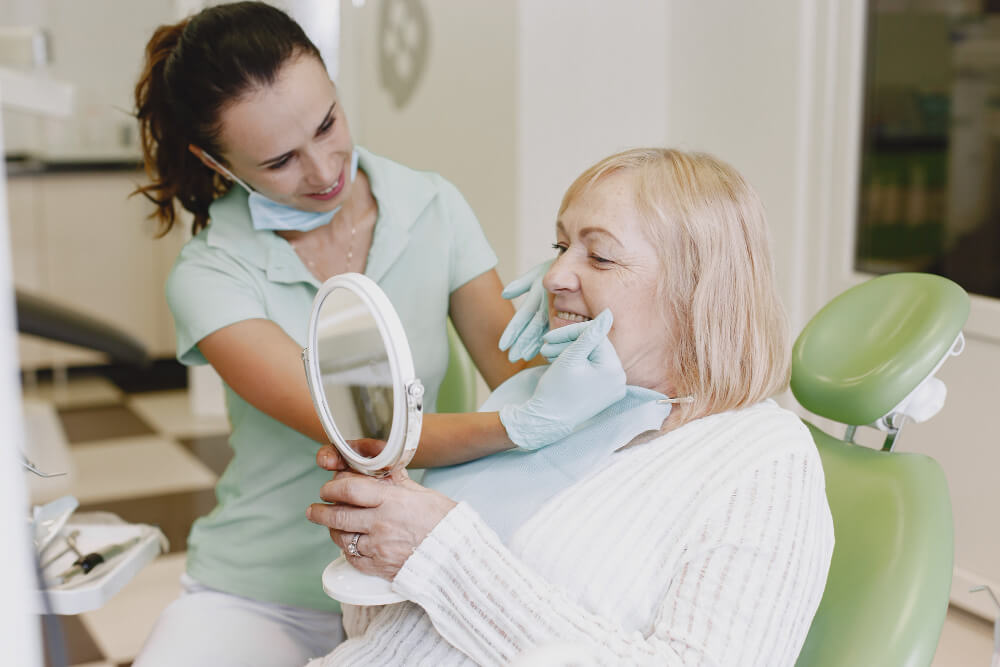
Who Is A Good Candidate After 60?
Your dentist may use a CBCT 3D scan to assess bone and nearby structures. Medical history also matters, including diabetes control, smoking, blood-thinning medicines and antiresorptive medicines such as bisphosphonates. Good oral hygiene and stable general health support healing. Grafting or a sinus lift may be considered where bone is limited.
Implant Options That Fit Real Needs
Treatment can range from a single implant and crown to an implant bridge, implant-retained overdenture or fixed full-arch restoration. Your dentist will explain the benefits, limitations and expected dental implant price for the options suitable for you.
What to Expect from The Process?
Treatment starts with a consultation and imaging. If extractions or grafting are needed, they may be done before or during implant placement. Implants are usually inserted under local anaesthesia, with sedation available in suitable cases. The bone then heals around the implant during osseointegration, often over several weeks to a few months. Final teeth are fitted once healing and stability are checked.
How Implants Protect the Jaw
Natural tooth roots transfer chewing forces into the jawbone. After a tooth is lost, bone in that area can gradually resorb. An implant transfers load into the surrounding bone and can help maintain bone around the implant site while supporting replacement teeth.
Recovery tips tailored to older adults
- Control swelling: Use cold packs as advised.
- Manage discomfort: Take pain relief as directed.
- Eat for healing: Choose soft, nutritious foods and drink enough water.
- Keep it clean: Follow your dental team’s cleaning instructions.
- Manage health conditions: Keep conditions such as diabetes well controlled and attend reviews.
Risks, success and what the evidence shows
Implant treatment carries risks, including infection, early failure, peri-implant inflammation and, in some areas, nerve or sinus complications. Smoking, poorly controlled diabetes, gum disease and poor cleaning can increase risk.
A systematic review of people aged 65 and over reported about 97.7% implant survival at one year and 91.2% at ten years, although the ten-year estimate came from fewer studies. Broader research has reported 10-year survival around 96% at implant level, with lower estimates when loss to follow-up was accounted for.
Current AIHW reporting cites 2017–18 data showing Australians aged 65 and over had an average of 13.7 missing teeth, while 27% avoided some foods because of problems with their teeth, mouth or dentures.
Costs and Long-Term Value
Implant fees depend on the number of fixtures, grafting, restoration type and laboratory work. Patients often ask about teeth implants cost as well as treatment longevity.
When comparing dental implants cost Sydney, ask for a written plan showing what is included, such as imaging, surgery, abutments, temporary teeth, final teeth and reviews.
People searching for affordable dental implants Sydney may also ask about payment options. Private health fund benefits vary by policy and annual limits. Early release of superannuation on compassionate grounds is available only in limited circumstances and is subject to Australian Taxation Office eligibility rules.
Daily Care That Keeps Implants Healthy
Brush twice daily, clean around implant sites as advised, and attend professional reviews. Contact your dentist if you notice bleeding, swelling, persistent discomfort or a change in your bite.
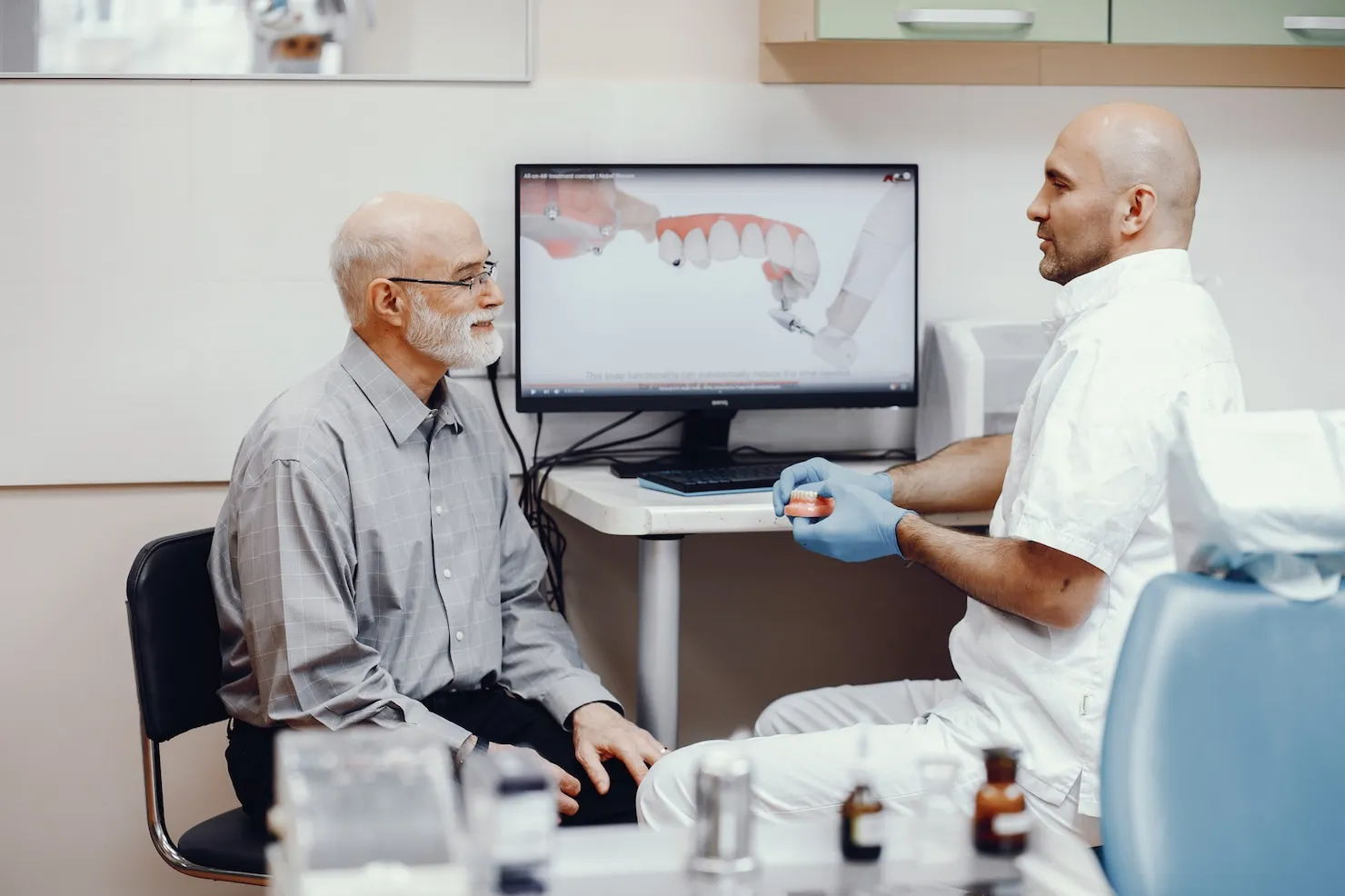
Final Thought
Dental implants can remain a practical option after 60 when health, gums and bone support are suitable.
Frequently Asked Questions
Am I too old for dental implants after 60?
No. There is no fixed upper age limit. Suitability depends more on general health, gum health, bone support, medicines and the ability to heal and maintain the implants.
How long does treatment take from consult to final teeth?
Many cases take several months. Extractions, bone grafting, healing and the type of restoration can extend the schedule. Same-day temporary teeth are possible in selected cases.
Will the procedure hurt?
Local anaesthesia is used during implant placement. Some soreness and swelling are common afterwards. Your clinician will give you instructions for pain relief and recovery.
Do I need a bone graft or sinus lift?
Not everyone does. Your dentist will assess the available bone with examination and imaging. Grafting or a sinus lift may be recommended when there is not enough bone to support the planned implant.
How long do implants last?
Dental implants can function for many years. Their lifespan depends on oral hygiene, gum health, smoking, general health, bite forces and ongoing professional care.